heroLight
heroLight
Gartner-recognized neurosymbolic AI · Composite AI

We prove interactive systems behave.

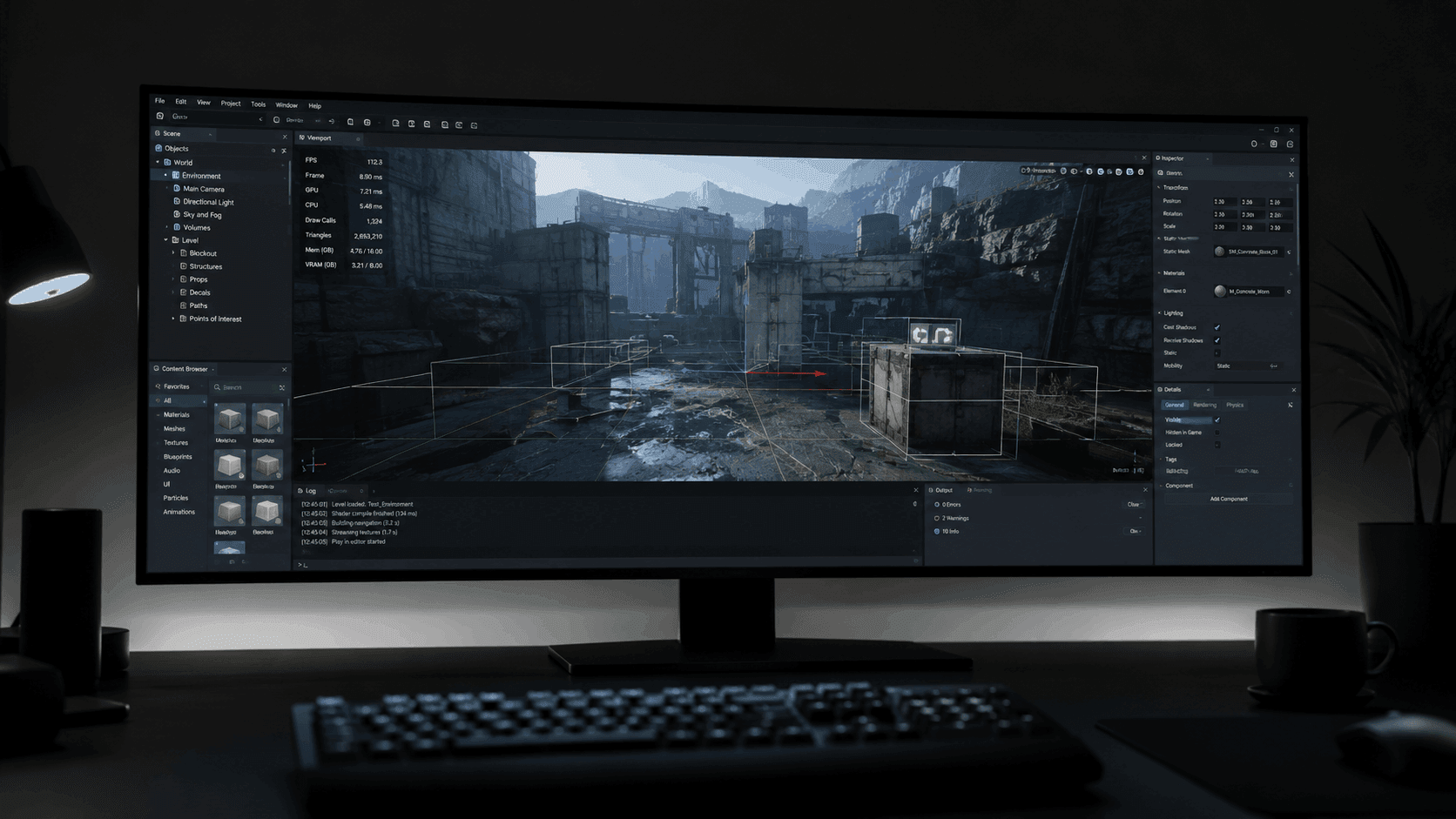
Exhaustively, within a declared scope — and with evidence a regulator will accept. Our engine learns a model of an interactive system — a car's cockpit software, a procurement workflow, any application a human operates through its screens — explores every state and path inside that scope, and hands you a coverage number, a reproducible trace for every finding, and a statement of exactly what was proven.

The Problems Slowing You Down

You ship what you sampled — and sign for what you didn’t
Manual and scripted testing covers a fraction of the states a user can reach. The release still goes out with someone’s name on it.
Every release restarts the evidence problem
Under UN R156, every software update to a type-approved vehicle needs validation evidence — not once, per release. The same pressure is arriving in every regulated interface.
Scripts break faster than the interface changes
Scripted tests fail on every UI tweak, new flow or refactor, and the effort to maintain them grows with each build — so coverage quietly shrinks while release cadence grows.
Coverage you can’t measure is coverage you can’t defend
“We tested a lot” is not a number. Without a declared scope and a coverage figure against it, there is nothing to put in front of an auditor, a homologation officer or a release board.

Proven, not sampled

Software now generates software faster than anyone can verify it. Language models can read everything and prove nothing; symbolic AI can prove but cannot read the world. The verifier sits between the two.


light

Nine years of tester-time in ten days

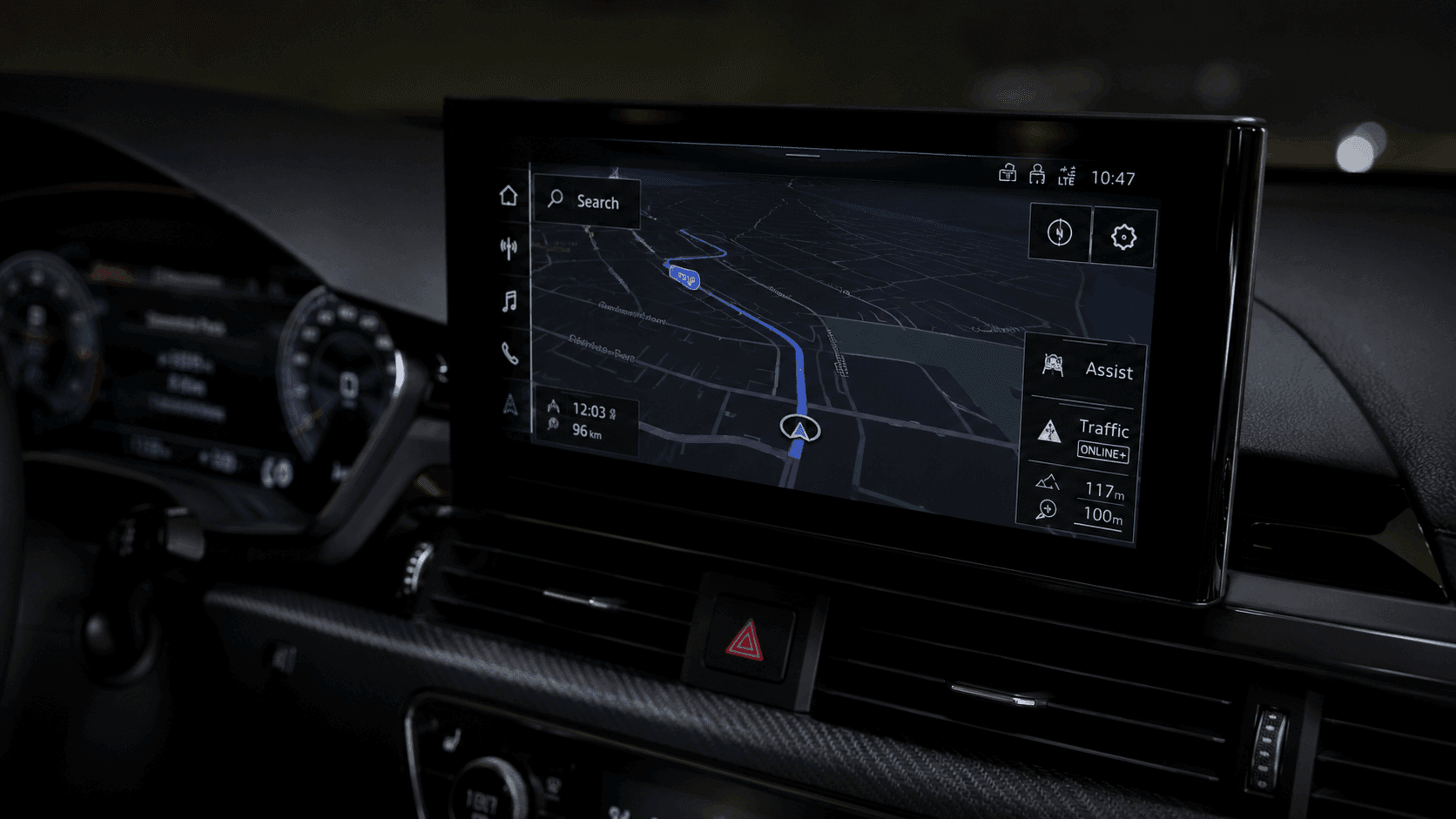
At a European automotive group, the cockpit-software validation that used to take nine years of manual tester-time now runs in ten days per release — with no source code and no instrumentation of the system under test.

Nine years of tester-time in ten days

Coverage you can put a number on

You declare the scope. The engine learns a model of the system and explores every state and path inside that scope — then reports what share of it was reached, not how many tests were run.

Coverage you can put a number on

Evidence a homologation officer accepts

Every finding comes with a reproducible trace. Every run ends with a statement of exactly what was proven. That is the evidence format UN R156 asks for, produced as a by-product of the validation itself.
Evidence a homologation officer accepts
Built by people who
prove things for a living
Filuta AI is built by a research-heavy team headquartered in Prague, with a US entity in Texas — AI scientists and engineers with backgrounds at PARC, in DARPA programmes and at leading European universities. Symbolic AI planning expertise is rare; this is one of the largest concentrations of it anywhere.
Gartner-recognized
Named vendor of neurosymbolic (Composite AI) products.
AAAI Fellow
Prof. Roman Barták, for constraint-based planning and scheduling — the technique at the core of our engine.
ICAPS 2023
Best System Demonstration Award, 2nd place, for the Filuta platform prototype.
Patent-pending core
US applications 18/761,037 and 18/761,015 (filed 1 July 2024) — composite-AI specification and domain-model synthesis. Pending.
Prove the release
before you sign it.
Talk to us about validation evidence for your next release — or about putting our engine inside your own validation product.
Partners
partnerLogo
AIPlan4EU
The AIPlan4EU project is funded by the European Commission - H2020 research and innovation programme under grant agreement No 101016442
partnerLogopartnerLogo
CzechInvest
We were supported by the system project Technological Incubation and Internationalisation.
Contact
Filuta AI
Reliability, not probability. We prove interactive systems behave — exhaustively, with evidence a regulator will accept.
© 2026 Filuta AI
Privacy Policy
All Rights Reserved