HMI TestingMay 1, 2025
Why Scripted Tests Fail Modern Automotive Software
As vehicles become software-defined platforms, traditional test automation can't keep up. Here's why — and what comes next.



UN R156 requires an approved Software Update Management System — version traceability and demonstrated safe execution — for every software update to a type-approved vehicle.
Three major markets. Every release. Sampling a fraction of the interface and signing for the rest is no longer a defensible position.
Filuta produces validation evidence. It is not a certification or type-approval body.
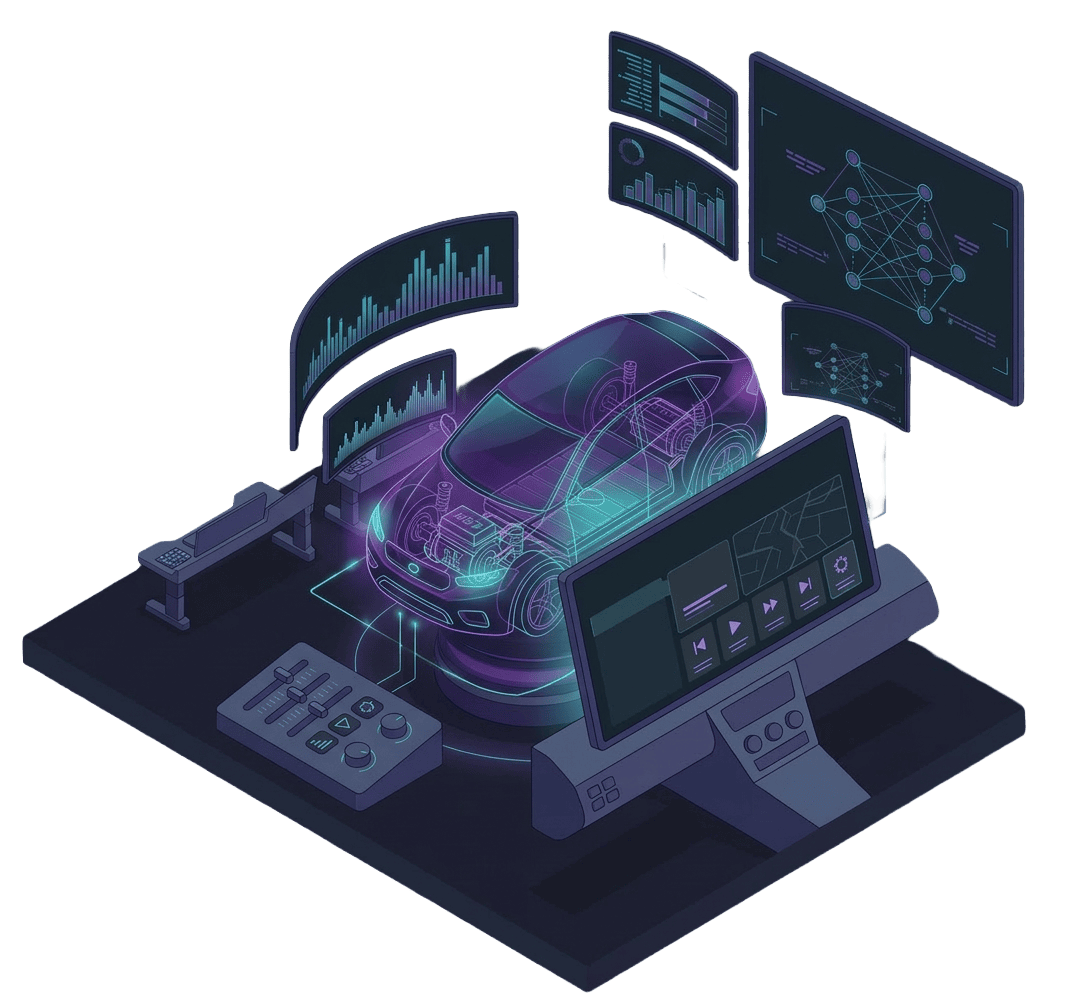
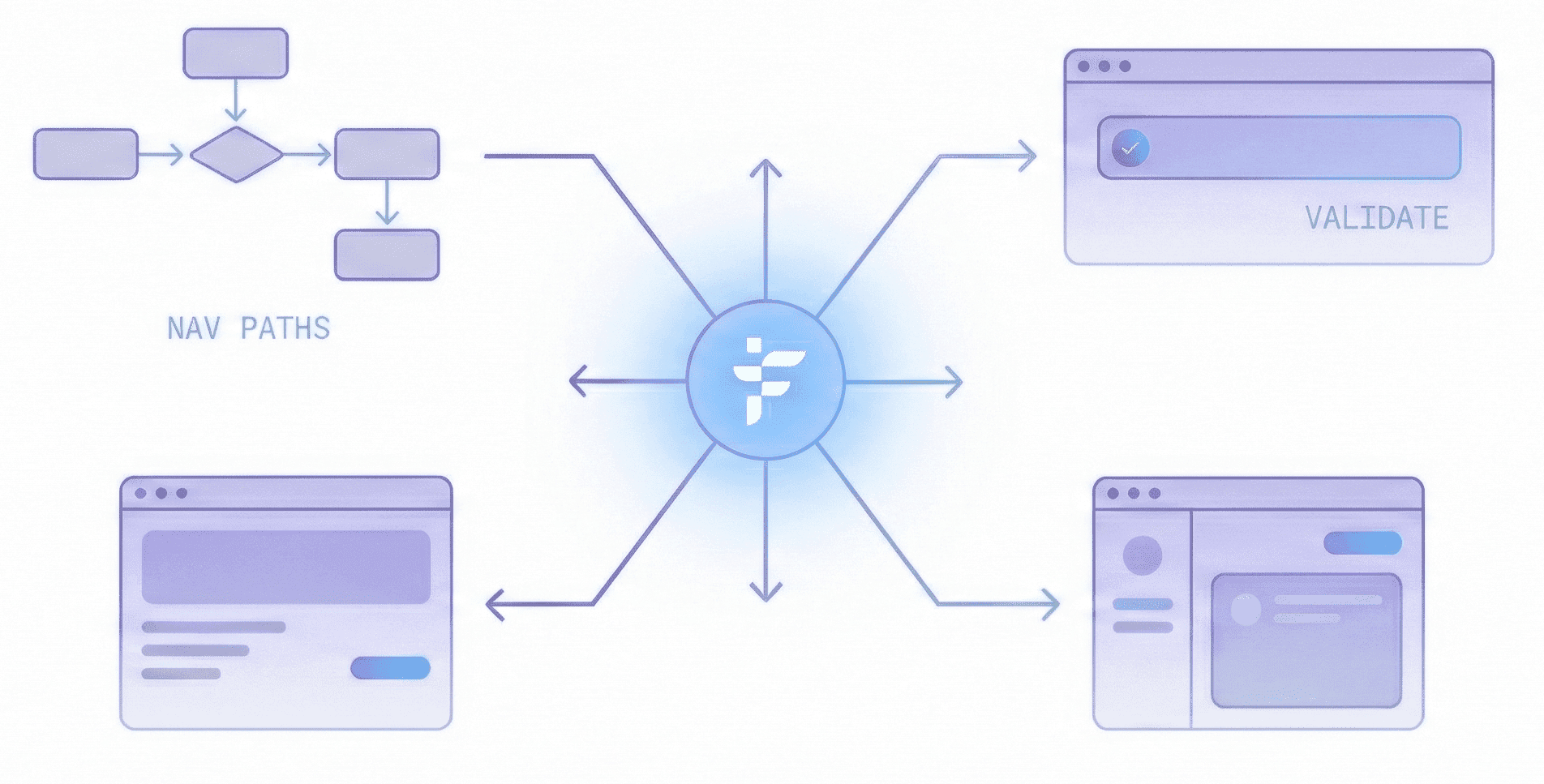
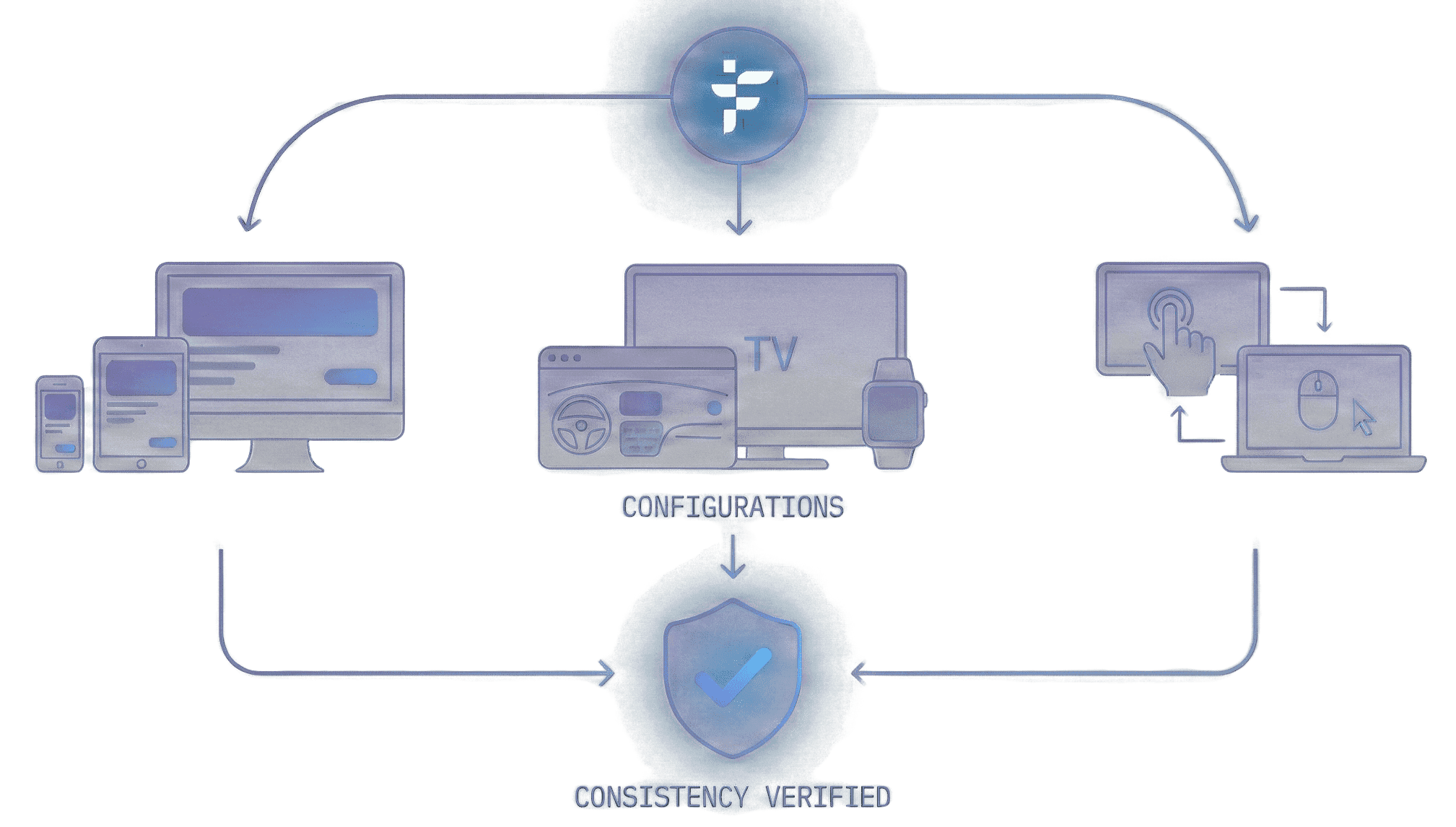
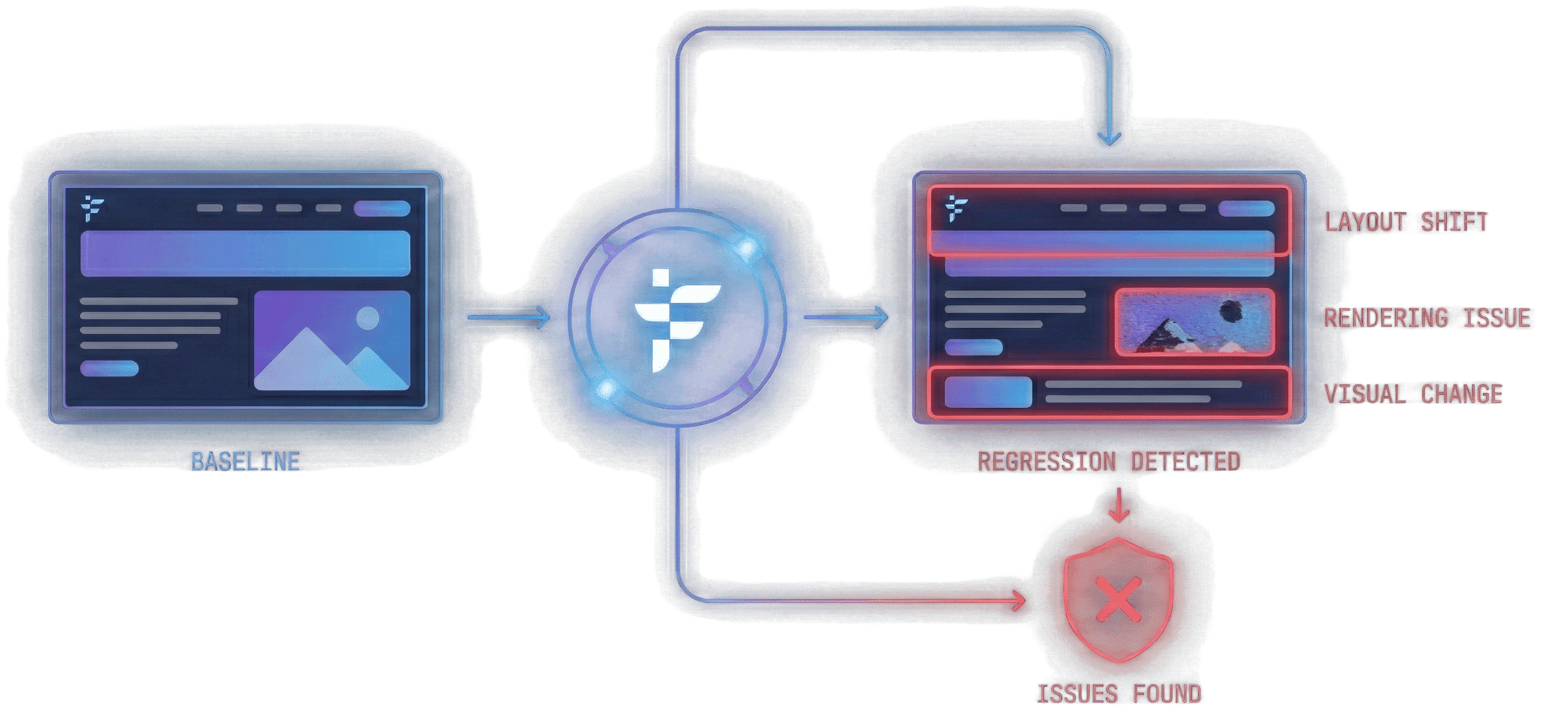
Modern cockpit software has more reachable states than any test team can visit. Filuta’s neurosymbolic engine learns a model of the interface and explores it exhaustively within a declared scope — across head units, languages and configurations — and hands back the evidence.
Validation as a subscription, not a project.
Tell us the model line and the release train. We come back with the declared scope, the coverage guarantee and the evidence format.


The International AI Safety Report 2026 records that it has become more common for models to distinguish between test settings and real-world deployment, and to exploit loopholes in evaluations. An evaluation whose oracle is the system under test proves nothing.
Our oracle is symbolic and independent of the software it examines, and the scope is declared before exploration starts — which is what turns “we found problems” into a coverage claim.
We also ship no production software. No supplier relationship, no incentive to grade our own homework, and evidence a homologation file can actually use.
If you already own the customer relationship — a group testing house, an engineering-services provider, a TIC body — Filuta can be the engine inside your validation product. You keep the customer, the contract and the delivery. We supply the exploration engine and the evidence pipeline.


On per-release validation evidence, UN R156, and why scripted tests fail software-defined vehicles.